Cold Water, Warm Advice: a conversation with Dr. Sissy Waschkowski
Edited by Marije Kruis, Photos by Bastien Labelle
The air in Klitmøller, Denmark, known among surfers as Cold Hawaii, smells like salt and roasted coffee beans. This is where we get to talk to Dr. Sissy Waschkowski, a German medical doctor specializing in dermatology and a surfer who reached the finals of the German Open in 2023.
A few weeks ago Sissy surfed in the warm waters of the South of France proudly wearing Vampire Surf Club, and today we caught her between cold water sessions to talk about why UV protection is non-negotiable and why the ocean keeps pulling her back.

VSC: You are from Northern Germany, not exactly the first place that comes to mind when you think of surfing…
SW: Ha! Yes, Kiel, Germany. Most people in Kiel would call themselves landlocked, but with a little local knowledge you can actually get some windy surf after a forty minute drive. In very rare conditions you can even surf the Bay of Kiel.
VSC: How did you catch your love for surfing?
SW: My parents introduced me to windsurfing when I was four. Watersports and van life were always part of my childhood. Then, as a teenager, I wanted to do something I chose for myself. Or maybe I just wanted to do what my older brother was doing haha. So I switched to surfing.

VSC: You are a surfer who is also becoming a dermatologist. How do those worlds fit together?
SW: During the week, I work full time as a doctor specializing in dermatology. I graduated from medical school in 2020, and I’m now in my fifth year of residency. As both a surfer and a dermatologist, I understand how challenging it can be to balance sun protection with an active outdoor life. My top priority is keeping my skin healthy while maintaining my surf lifestyle.

VSC: Can you share a bit of your personal skin-care ritual with us?
SW: The most important ritual for me as a dermatologist is, of course, applying SPF every morning (I think I started doing that when I was 18 haha), which is just as important to me as eating healthy and staying active. And yes, of course I worry about the effects of UV damage from water sports, but because surfing is such an important part of my life, I choose to protect my skin while surfing rather than quitting and switching to an indoor hobby.
VSC: Do people ever hit you with skin questions out in the swell?
SW: Haha, of course. People tend to get very revealing and show their skin once they find out you’re a dermatologist-to-be. But that’s fine, I’m used to it.

VSC: You’re raising awareness about skin cancer online and one of the ambassadors of the Faster Than Skin Cancer campaign by Spot the Dot. What inspired that?
SW: During my work in the skin cancer department at the university hospital in my hometown, I saw firsthand the struggles skin cancer patients go through. Supporting them through these difficult times made me realize how meaningful and important my work really is.
VSC: Talking about cancer can feel heavy. What’s the message you want surfers to actually take away?
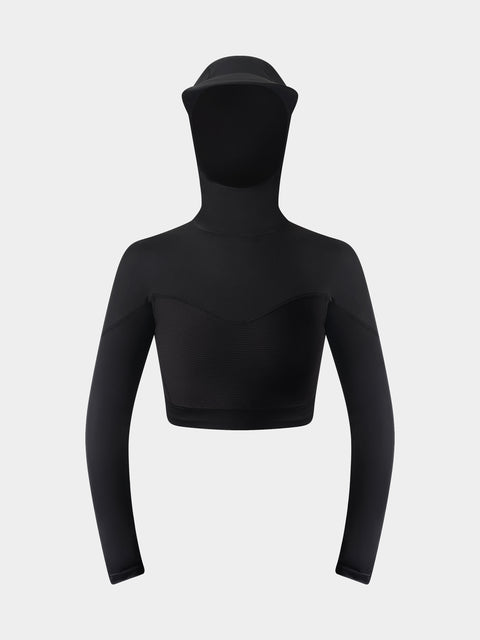
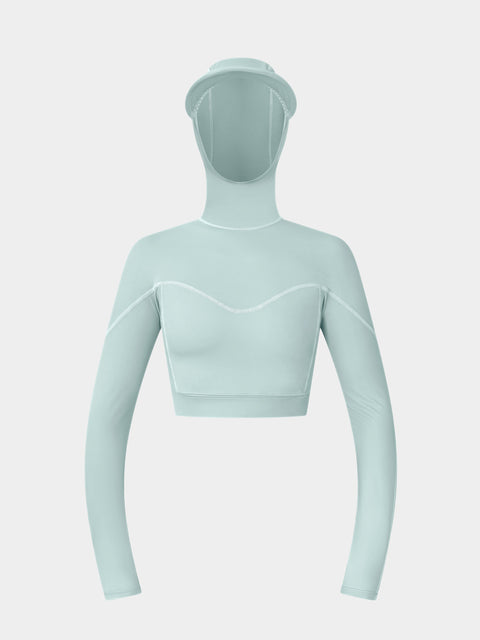
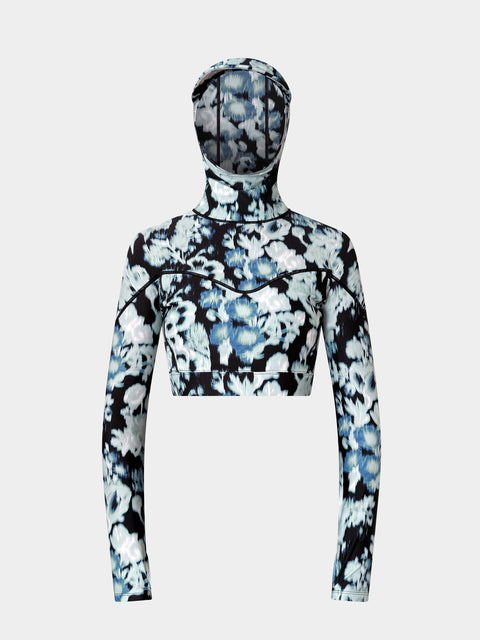
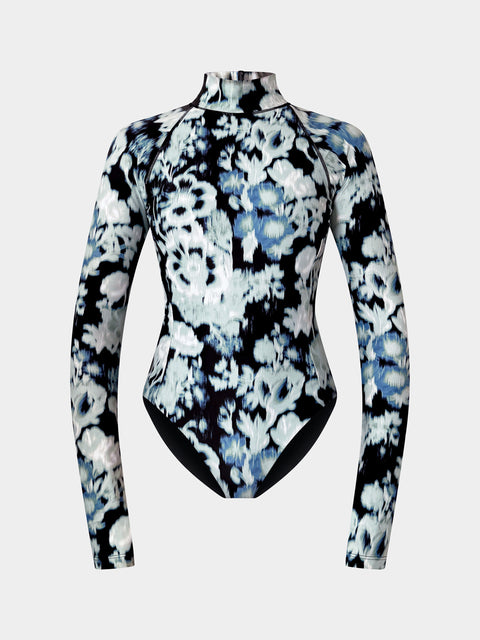
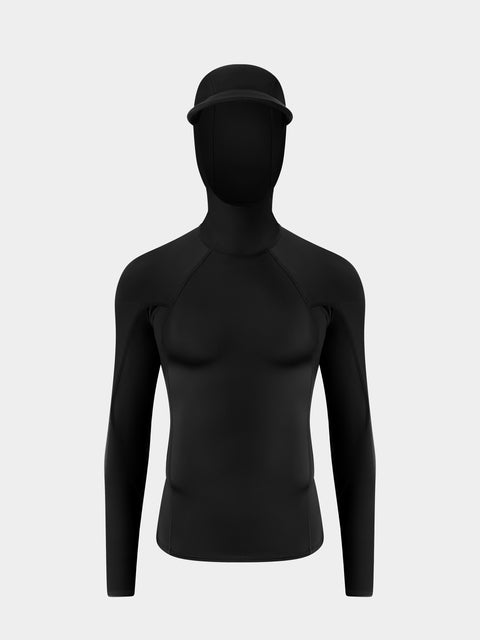
SW: I believe that raising awareness among surfers shouldn’t be about avoiding the sun or making people scared to enjoy it. It’s about enjoying the surf while being vigilant with UV protection: starting with protective clothing and sunscreen, avoiding sunburn at all times, and doing regular skin checks. I’m shocked how many surfers still believe the myth that sunscreen causes skin cancer. That’s absolutely not true. Please use SPF 50+ every day and reapply regularly. If you can, wear a surfing hat or a rashguard as well.

VSC: What is it about cold-water surfing that keeps pulling you back?
SW: There’s something magical about surfing in cold water, with that wild coastline and quiet atmosphere. My favorite waves aren’t in the tropics, they’re in the cold. I really enjoy the Danish beach breaks at the moment. The waves are decent and the lineups aren’t too crowded. I have definitely surfed better, cleaner, and more fun and powerful waves in the Mentawais, but it was incredibly crowded there. The busier breaks left me longing for something simpler.

VSC: Do you have a favorite local surf spot?
SW: The Baltic surf community won’t allow me to share this information haha.
VSC: Learning to surf later in life can be intimidating. What was the most challenging thing for you in the beginning?
SW: The early days were tough. Even though I’ve always been athletic, I just didn’t know what to do out there. Paddling into the lineup was exhausting. It took a while before I really felt at home in the water.
VSC: You work with an online coach, what is that like?
SW: Actually, online surf coaching didn’t just change my surfing, it changed my entire lifestyle. I started in December 2022 with my personal coach Joe Koener and their program Surfing Anatomy. At that time, I was barely able to do a simple turn on a wave, and with their approach to consistent land-based home training, I was able to improve even during times when I couldn’t surf in the ocean. With their methods, I even made it in my first year to the finals of the German Open 2023.
VSC: Can you tell us a little more about your experience with competitive surfing?
SW: My first heat ever in a surfing competition was so embarrassing. I lost my competition lycra in the middle of the heat, so after that, my waves didn’t count anymore. Luckily, after the repechage, I fought my way back and ended up in second place at that stop of the Danish Surf Tour. I was soooo happy afterwards, and I would have never believed this could happen. So yes, you get to experience all kinds of emotions in a surfing competition.
VSC: When surfing becomes competitive, is it hard to keep it fun?
SW: It’s always full of adrenaline and fun for me. As a doctor, I see surfing as a space to enjoy myself, and I’m just happy whenever I get to surf. I’m proud of reaching this level, no matter the results, especially while working full time, finishing my thesis in my free time, and taking weekend surf trips to push my surfing to the next level.

VSC: What was your first surfboard like? and what’s your go-to board now?
SW: I really want to forget about my first surfboard, please don't bring that topic up haha. But right now I am getting my KT Surfing surfboards from the supplier TPE Sport Distribution. The model I surf is called Crusher, which is a performance model but works also well in the windy messy conditions I am using it in. Actually, I have been sticking to the same board model for three years now!
VSC: Surfing, studying dermatology, traveling, competing, how do you balance it all?
SW: I’d recommend balancing life on different pillars. Life isn’t consistent, and when one area gets tough, another can give you strength to keep going. I feel way more energized when I actually get my ass off the couch.

VSC: If you could give one piece of advice to someone starting surfing later in life, what would it be?
SW: Get a professional surf coach if you want your surfing to reach the next level. And no matter your level, always protect your skin, it’s just as important as practicing your turns.

Between hospital shifts and Danish beach breaks, Sissy has built a life that proves something we've always believed: loving the sun and protecting yourself from it can coexist. Should coexist.
From the crowded lineups of the Mentawais to quieter peaks in Klitmøller, she's kept one ritual non-negotiable: SPF every morning since she was eighteen. That's the real flex. Not avoiding the ocean, embracing it, intelligently. Protective clothing first, sunscreen always, skin checks regularly. Your future face will thank you.
Dr. Sissy Waschkowski is a medical doctor specializing in dermatology at the University Medical Center Schleswig-Holstein in Kiel, Germany. She combines a full-time medical career with her passion for surfing, competing on the Danish Surf Tour and advocating for skin health in the outdoor community.