Stay Flawless in the Lineup: The Surfer’s Guide to Preventing Melasma & Hyperpigmentation
Written by Dr. Nadia C. W. Kamminga, edited by Marije Kruis.
A guide to Preventing Melasma & Hyperpigmentation while surfing, by Dr Nadia Kamminga, soon-to-be dermatology resident at Erasmus University Medical Center in Rotterdam, The Netherlands, currently traveling the world.
I’m Nadia. I live in Rotterdam, am a proud dog mom, and in the past few years, I’ve started combining my passion for traveling with a new love: surfing. In October 2025, I completed my PhD in dermatology, and starting in January 2026, I’ll begin my training as a dermatology resident at Erasmus University Medical Center in Rotterdam.
I’ve spent years studying the impact of skin cancer and know the risks of UV exposure.
And I still got melasma.

Dr Nadia Kamminga
After my last surf trip in Sri Lanka, despite applying sunscreen regularly, brown patches appeared across my cheeks and forehead. There I was, soon-to-be dermatology resident, staring at my reflection wondering how this happened.
That’s when it hit me: if even I, with all my knowledge, struggle with pigmentation, what about the women I meet in the water who may not know where to start?
Female surfers are three times more likely to develop melasma than men. The combination of hormones, direct UV, and ocean reflection creates the perfect storm for hyperpigmentation. What many think of as a healthy surfer glow is often the first warning sign.
Here's everything I wish I'd known before that trip ,and what I do differently now.
Understanding Hyperpigmentation in Surfers
In this Q&A, I’ll break down what hyperpigmentation and melasma really are, why female surfers face unique risks, and how to build a surf-friendly routine that truly protects your skin. My goal is to empower you to enjoy the waves with confidence while protecting your skin.
What is hyperpigmentation and melasma and why does it show up after surfing?
Hyperpigmentation is when patches of skin become darker than the surrounding skin due to increased melanin. It can range from small dark spots to widespread areas of discoloration.
Melasma is a specific type of hyperpigmentation characterized by often symmetrical brown patches with irregular borders, often on the face, triggered by hormonal changes and UV exposure. Surfing increases this risk because you’re spending hours in the sun, and the water reflects UV, bouncing even more radiation back at your face.
Is that post-surf glow or tan actually early sun damage?
Often, yes, and that's the uncomfortable truth most surfers don't want to hear. What looks like a ‘healthy’ glow may actually be inflammation or early pigment changes. Over time, this can develop into visible sun spots or melasma patches, and it can also increase the risk of developing melanoma or other forms of skin cancer. Alongside protecting your skin well, it’s important to check it regularly. Pay attention to new spots and anything that grows quickly or doesn’t go away on its own. And don’t forget to check your moles using the ABCDE method (Asymmetry, Border, Color, Diameter, Evolving).
Why Are Women Surfers More Prone to Pigmentation—Especially Mid-Cycle?
Although melasma can also affect men, women are about three times more likely to develop it. This is linked to hormonal fluctuations, for example during pregnancy or when using hormonal contraception.
Your menstrual cycle affects your skin more than you think. During the luteal phase—the second half of your cycle, roughly days 15-28—progesterone and estrogen levels spike. Your skin becomes more reactive, more prone to inflammation, and significantly more likely to develop pigmentation from UV exposure.
In practical terms: those two weeks before your period, your skin is significantly more vulnerable to UV-triggered pigmentation. Does this mean you should skip surfing half the month? Absolutely not. It means you need to be more strategic about your protection.
Prevention Strategies That Actually Work
What’s the best way to prevent melasma while surfing regularly?
The key is to combine strategies rather than relying on just one.
- Avoid peak UV hours. Surf early morning or late afternoon, when UV index is lower.
- Apply mineral sunscreen before you paddle out
- Reapply every 90 minutes (set a timer if needed)
- Layer UPF 50+ rashguards, leggings, and a hat, fabric doesn't wash off like sunscreen does
Think of UPF clothing as your baseline protection, sunscreen as backup. Not the other way around.

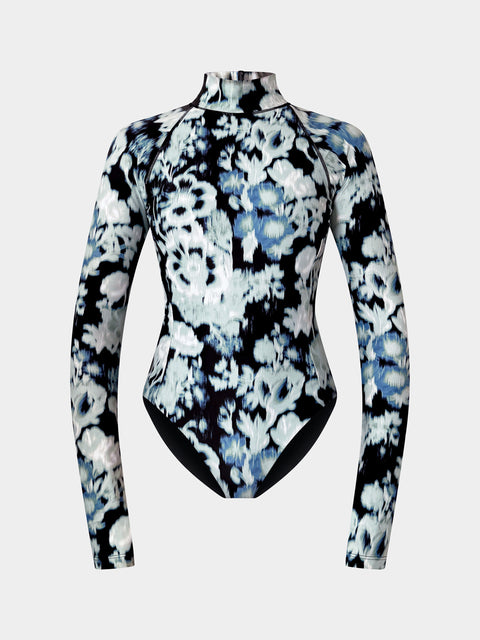
Dr Nadia Kamminga in the Uluwatu Long Sleeved Surfsuit
"To be honest, I also used to paddle out in short sleeves without thinking twice. The actual impact UV damage could have on my skin was not on my radar yet. But after learning more about the potential damage and noticing how quickly my pigmentation darkened during that trip, I switched to long-sleeve surfsuits. Now it feels like second nature, and I enjoy the peace of mind it gives me."
Can surfing actually make melasma worse, even if you’re wearing sunscreen?
Yes. Sunscreen helps, but it wears off fast with sweat, salt water, and long sessions. Add to that the fact that most surfers forget to reapply mid-session, and you've created optimal conditions for pigmentation to worsen. Try to surf early or late in the day when UV levels are lower. and cover up with UPF clothing designed for surfing.
Does UPF Clothing for surfing actually make a difference?
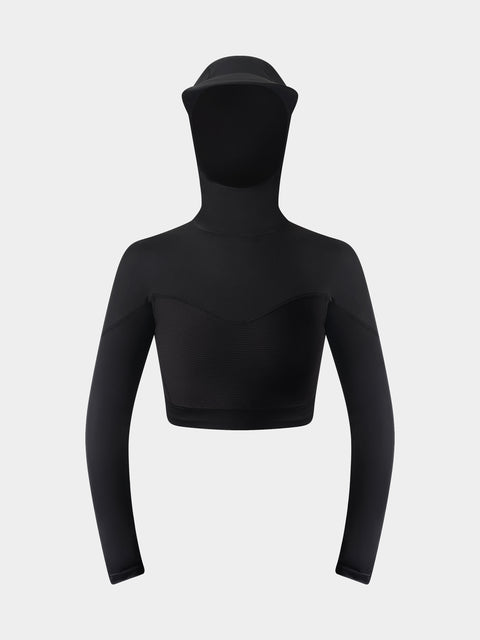
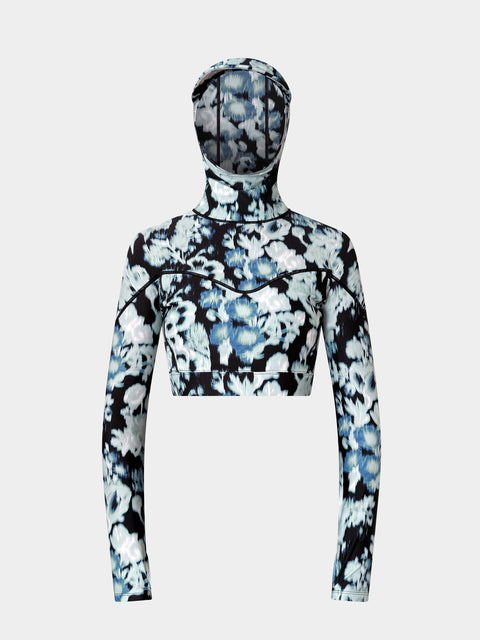
Absolutely. In addition to avoiding peak UV hours, UPF clothing is hands-down the best defense because fabric doesn’t wash off like sunscreen. A UPF 50 rash guard like the Keramas Hooded Rashguard and a pair of surf leggings can block about 98% of UV rays, offering much stronger and longer-lasting protection against hyperpigmentation than sunscreen alone.

"Think of UPF clothing as your baseline protection, sunscreen as backup. Not the other way around."
Is mineral sunscreen really better for pigmentation?
Yes, mineral sunscreens with for example zinc oxide and titanium oxide provide strong, broad-spectrum UV protection and they are gentle on sensitive, pigmentation prone skin. But most importantly, they hold up better in water compared to many chemical sunscreens. Some formulas also include iron oxide for added defense against UVA and visible light, which is often overlooked but can worsen melasma. An added bonus is that most mineral sunscreens are considered safer for the reef.
Melasma Treatment & Management
If I already have melasma or sun spots from surfing, can they fade on their own?
Some spots may fade slowly over time if you avoid sun exposure, However, melasma tends to persist or return. Without extra care, surfing usually darkens existing patches.
Is there a cure for melasma, and what treatments actually work?
Unfortunately melasma is a tricky condition to treat - which is why prevention is key. When it comes to melasma treatment there isn’t a permanent solution, but there are ways to reduce its appearance. Prescription creams (such as those containing hydroquinone, tretinoin or azelaic acid) can be effective and are often used in combination. However, their use is discouraged as long as UV exposure continues - especially during the summer months - because they make the skin more sensitive and can therefore actually worsen pigmentation. In-office treatments such as chemical peels or laser therapy can also help, but are likewise not recommended during high UV months and only work if you are diligent with sun protection afterward, since UV exposure during recovery can undo progress.
Can I keep surfing while on a melasma treatment plan?
You don’t need to give up surfing, but you do need to be extra careful and keep in mind that any UV exposure can and will influence the pigmentation of your skin. As mentioned earlier, many prescribed treatments make the skin more sensitive to sunlight, which makes minimizing exposure even more important. Always plan your sessions early in the morning or late afternoon, apply and reapply your broad-spectrum sunscreen, and cover up with UPF clothing designed for surfing.
The Bottom Line:
Being close to the ocean, surfing, snorkeling, or just floating in saltwater is one of the things that makes me happiest. And I'm not giving it up because of UV exposure. But I'm also not ignoring the fact that that same water also increases the risk of hyperpigmentation, skin aging, and skin cancer. Although I’m extra careful when I’m on or in the water, sun protection is part of my everyday routine. I apply SPF before paddling out, but also before something as ordinary as walking my dog through the streets of Rotterdam. I wear UPF clothing on the water, I surf early or late when UV is lower, and I check my skin regularly for changes.
As I begin my dermatology residency, I aim to balance both perspectives: the medical training and the lived experience of someone who knows how challenging but also rewarding it can be to protect your skin while living the life you love.
You can have it all. You just need the right strategy.
Ready to build your surf-proof sun protection routine?
→ Explore UPF50+ rashguards and surf wear designed for marathon sessions
→ Read our complete guide to sun protection for ocean athletes
→ Check out the ABCDE surfers guide to self skin check
Dr. Nadia C. W. Kamminga is a Licensed medical doctor and former researcher at Erasmus MC, with a clinical and academic focus on melanoma survivorship care. On October 1st, 2025, she successfully defended her thesis entitled Melanoma Survivorship Care: From Needs to Personalized Care, which investigated patient experiences and needs across all four melanoma stages. Based on that she - together with her research team - developed a tailored digital survivorship care plan for these patients. Her work has emphasized the far-reaching consequences of sun damage and the critical importance of effective protection.