Between Sets: Alicia Kelley
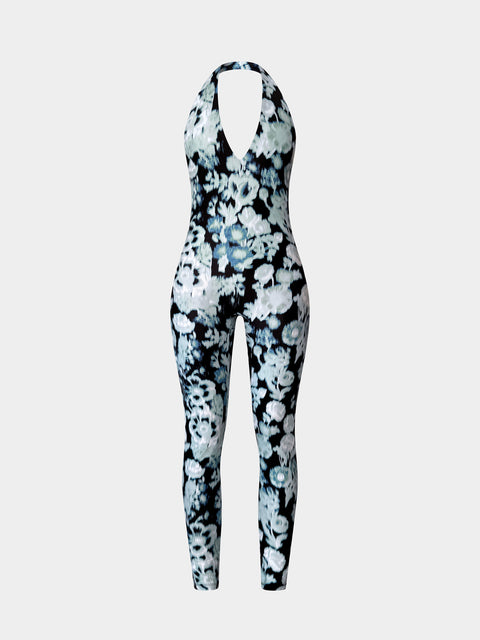
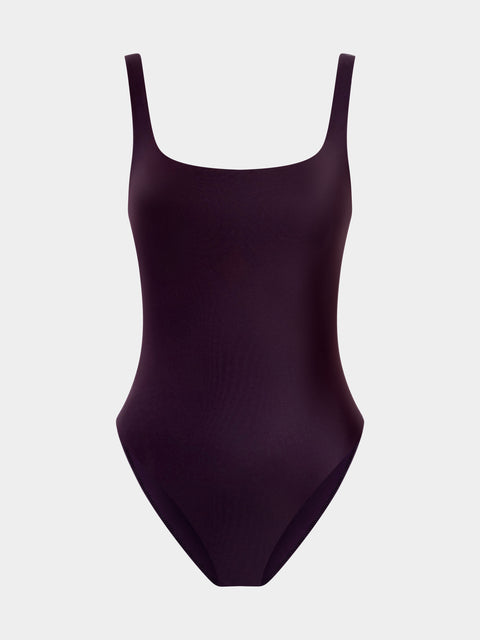
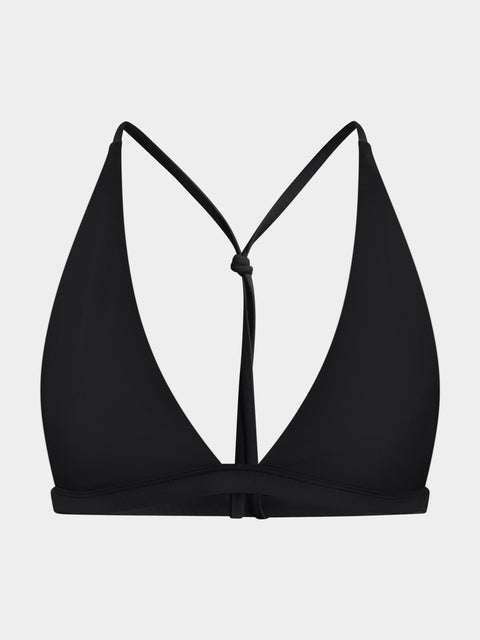
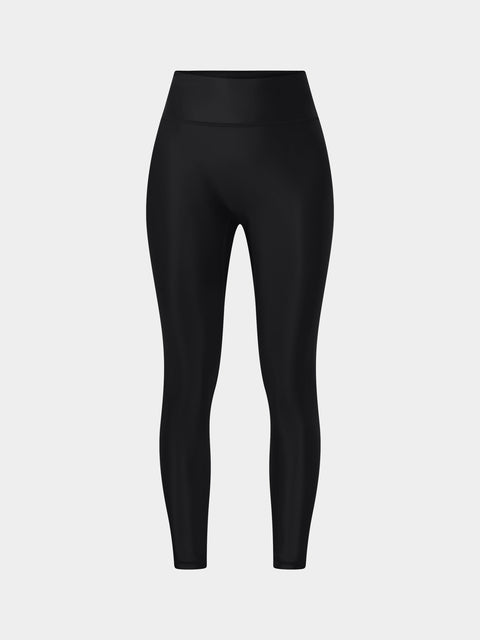
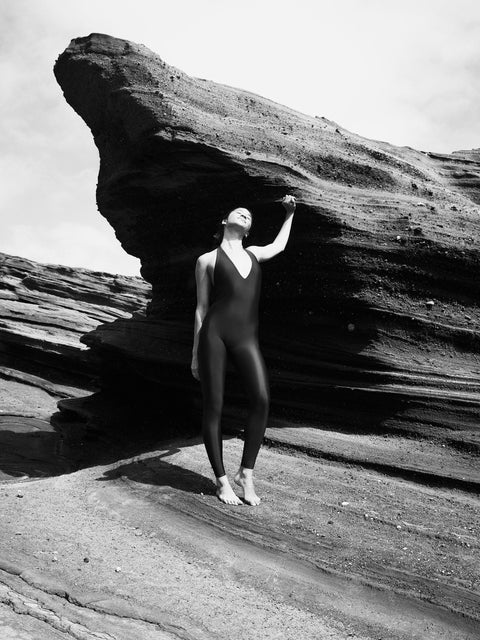
We spent a day with Alicia Kelley — surfer, model, Pacific Longboarder cover — on the east side of Oʻahu, in Kāneʻohe Bay, where she grew up. Black against weathered volcanic rock, the wind doing half the styling.
Between frames, we talked. About surfing as something once sacred, a sun protection routine that took years to settle into, and everything around the surf that rarely makes the cut.

VSC: What did growing up in Kāneʻohe Bay teach you about ocean etiquette and community? How did surfing first come into your life?
AK: Growing up on the east side of Oʻahu in Kāneʻohe Bay taught me to be very intentional with surfing, especially when it came to choosing where to go. The bay doesn’t always have easy access to good surf, so learning how to read surf reports became essential in deciding where and when to paddle out. Kāneʻohe Bay also taught me a deeper respect for the ocean, its calmness, its tides, and how quickly it can change. The community here is rooted in respect and attentiveness toward one another, and that carries strongly into the water. That’s a big part of Hawaiʻi culture — being aware, being respectful, and moving with aloha.

VSC: Style-wise, who or what has shaped the way you move on a wave – any surfers, shapers, dancers, or even non-surf inspirations you pull from?
AK: Growing up, I was really inspired by female surfers like Bethany Hamilton and Kelia Moniz. Watching women dominate the sport with style and confidence made a big impact on me. Eddie Aikau is another person who moves my heart. His story, humility, and bravery represent something much deeper than surfing — it’s about character, courage, and community. I’ve also always loved Town & Country Surf Designs (T&C). There’s a tight-knit feeling within that community, and I’m drawn to the connection between the people and the boards they ride.

VSC: Hawaiian surf culture means different things to different people. What does it mean to you, and what do you wish more people understood about it?
AK: Hawaiian surf culture is unlike anywhere else in the world. It can be competitive and fun, but at its core, it’s built on respect. I wish more people understood the etiquette in the water and the history behind surfing.
"Surfing was once reserved for royalty and treated as something sacred — a relationship between people and the ocean. That connection still exists today, and it deserves to be honored." — Alicia Kelley
VSC: You've been on the cover of a Pacific Longboarder magazine — what was that experience like, and what do moments like that mean to you in the bigger picture of your surfing?
AK: It’s truly a privilege to hold a moment in time and be able to share it with others. I always smile thinking back on those days. One cover came from a fun surf with my friend Matt — it was just an expression session, and we happened to capture something special in a small surf. Another time, we were supposed to shoot for a swimwear brand, but the suits didn’t arrive in time. We ended up paddling out anyway, wearing beautiful haku lei, just enjoying the moment. My friend Abby captured this joyful wave, and it turned into something unforgettable. For me, those moments are something I reflect on and cherish, reminders of how happy surfing makes me.

VSC: Sun protection is something surfers live with every day. What does your pre- and post-surf skincare routine look like, and how has it evolved the longer you've spent in the water?
AK: To be honest, my relationship with sun care has been a bit of a rollercoaster. Hawaiʻi has intense sun exposure, so I’ve learned to take protection seriously even on cloudy days. I like to alternate between physical coverage and sunscreen depending on the day.
"I love wearing a springsuit or rashguard-style swimwear to protect my face, back, chest, and shoulders, since those areas tend to burn the most. It’s often more convenient than reapplying sunscreen constantly." — Alicia Kelley
VSC: What do you look for in the pieces you wear to surf — what makes something earn a permanent spot in your kit?
AK: A springsuit will always win in my closet. I love the look, but more importantly, I feel secure surfing in it. I’ll also always have a simple two-piece or one-piece swimsuit for more relaxed, fun days in the water.

VSC: When you think about caring for the ocean and the places you surf, what does that actually look like in your life day to day?
AK: It starts with the basics, picking up after yourself, but it goes deeper than that. Living intentionally and making sustainable choices reflects back on the environment. I also think sharing aloha in the water matters just as much. Having kind interactions, respecting others, and creating a positive energy in the lineup is part of caring for the ocean too.

VSC: Outside of the water, what fills your time and feeds the way you move through the world?
AK: Outside of the water, I’ve been really immersed in medical work, especially in optometry and natural medicine. I love helping people and being part of something that improves their well-being. I also love spending time with my dog Leia, whether it’s at the beach or out in nature. And right now, I’m continuing my education in college, which has been an exciting part of my journey too.

Surfing was once sacred — a relationship between people and the ocean, treated with the weight it deserves. Alicia talks about that connection like it never ended. In the etiquette of the lineup, in the aloha shared between strangers in the water, in the small daily practice of caring for a place you love.
That’s what we’re drawn to.
Shop the edit
Explore all